
PROPERTY AND DEVELOPMENT ADVICE
Low & Mid-Rise + TOD
On Low and Mid-Rise Housing and TOD advice for Sydney Landowners
Independent property and development advice for owners of valuable sites affected by NSW housing reforms
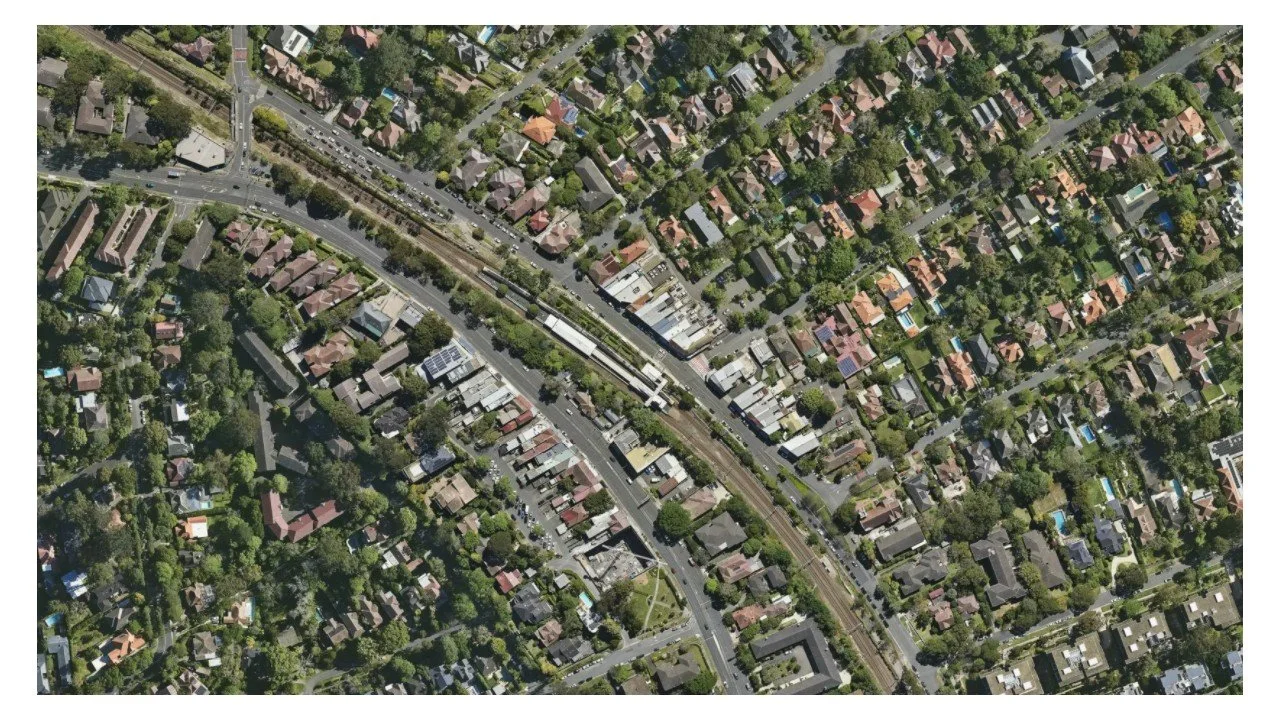
NSW planning reforms, including the Low and Mid-Rise Housing Policy (LMR) and Transport Oriented Development (TOD) controls, may affect the development potential of some Sydney properties.
For some landowners, these changes may create additional development value. For others, the practical benefit may be limited by site dimensions, zoning, access, heritage, design constraints, construction costs, market conditions, feasibility or the need to coordinate with neighbouring owners.
Augusta Advisors helps landowners understand what these reforms may mean commercially, develop a strategy to maximise their position, and make informed decisions before they sell, negotiate with developers, respond to approaches, appoint agents or make other high value property decisions.
We act for landowners, never developers.
What are the Low and Mid-Rise Housing Policy and TOD controls?
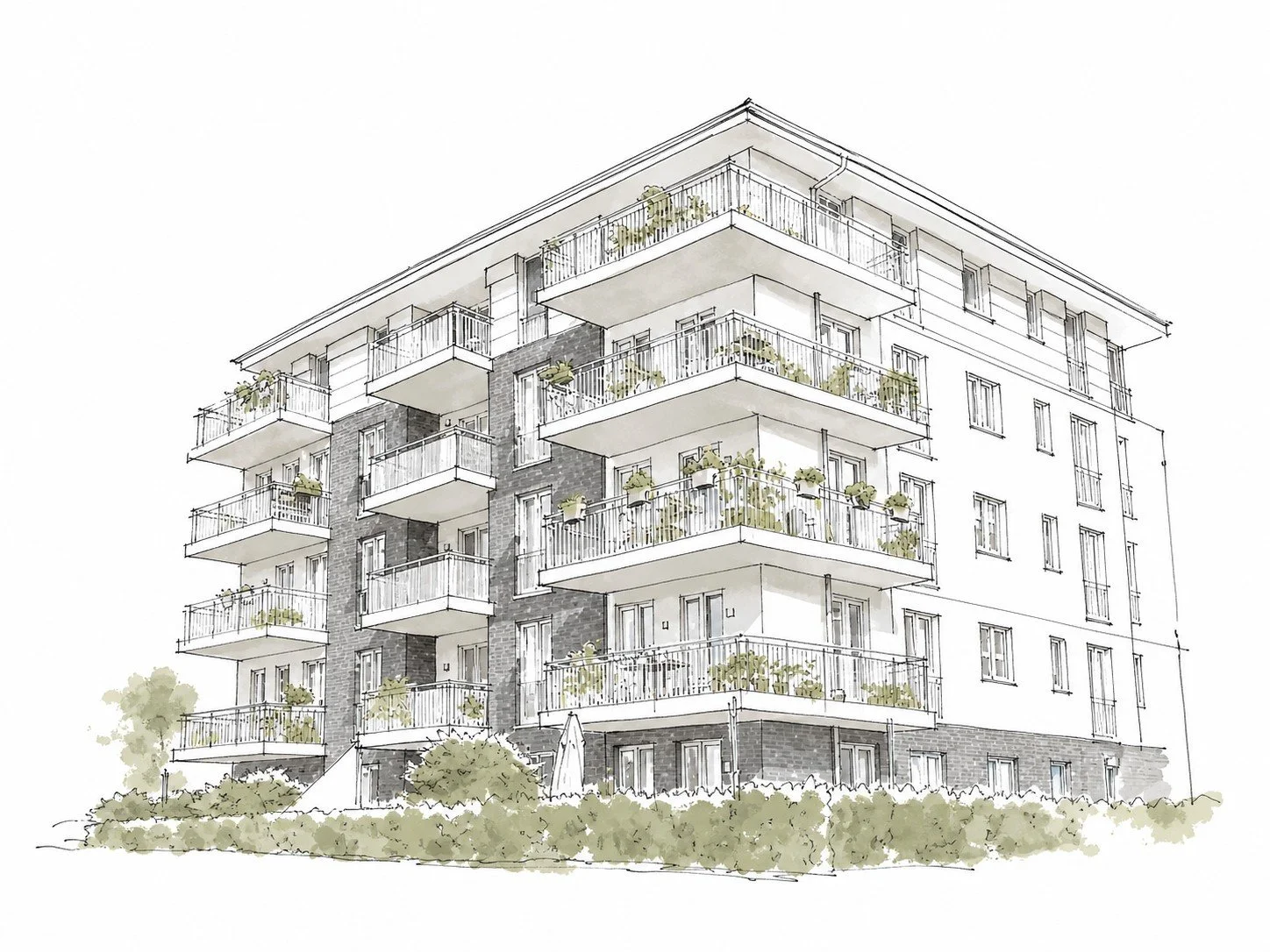
Low and Mid-Rise Housing Policy, often referred to as LMR, is a NSW Government housing reform intended to allow a wider range of housing types in suitable locations, including apartments, dual occupancies, terraces, townhouses, manor houses, and shop-top housing. It generally focuses on land within walking distance of nominated town centres and transport hubs, subject to the relevant controls, zones and exclusions.
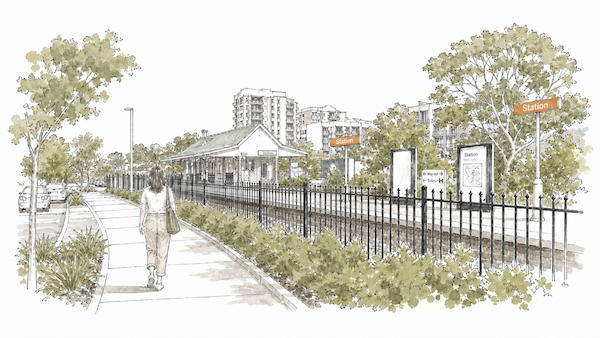
Transport Oriented Development, often referred to as TOD, is a planning approach that encourages more housing and mixed use development near selected transport locations. In NSW, TOD controls have been introduced by the State Government for identified precincts, with the aim of increasing housing capacity around well located stations and centres.
These descriptions are general only. Whether either policy applies to a particular property requires site specific review.

Get in touch
From a landowner’s perspective, LMR and TOD can have a similar practical effect
LMR and TOD are not identical. They have different policy origins, mapped areas, controls, built form outcomes and technical requirements. However, from a landowner’s perspective, they often raise similar commercial questions:
Does the policy apply to my property?
Has the development potential of my land changed?
Is the change meaningful in commercial terms?
Would a developer be interested in the site?
Is my property more valuable on its own or as part of an amalgamated site?
Should I sell, hold, approach neighbours, obtain advice, seek approval or negotiate with developers?
How do I know whether an offer reflects the real development value?
For most owners, the important issue is not the policy label. The important issue is whether the land now has a higher and feasible use, and what strategy should be adopted to assess, protect and realise that potential.
Planning potential is not the same as commercial value
A change in planning controls may increase the theoretical development potential of a property. That does not automatically mean the property has increased by the same amount in market value.
The commercial outcome depends on practical matters, including:
The zone and applicable planning controls.
Site area, frontage, depth, slope and access.
Whether neighbouring properties are required.
Building separation, setbacks, parking, basement and design constraints.
Whether the apparent floor space can be achieved in a workable design.
Construction cost, finance cost and development risk
Likely sale prices or end values.
Developer margin requirements.
Council, state agency and approval pathway issues.
Market appetite for the site.
Developers usually assess sites through financial feasibility analysis based on planning controls, yield, risk, cost, funding, margin and resale value. Most owners do not have that same information.
That information imbalance matters. It can affect whether an owner maximises financially, how they respond to a developer approach, whether they appoint an agent, whether they coordinate with neighbours, and whether they accept an offer that may not reflect the full opportunity.
Common mistakes landowners make
Owners affected by LMR or TOD reforms often face decisions before they have enough information.
Common mistakes include:
Assuming that being within a mapped area automatically creates a large increase in value.
Relying on a developer’s explanation of what the land is worth.
Appointing an agent before understanding the best strategy.
Agreeing with neighbours without understanding each property’s relative contribution.
Accepting an early offer before testing developer demand.
Spending money on planning or architectural work before the commercial strategy is clear.
Assuming a higher floor space ratio can be fully achieved on the site.
Waiting without a plan because the issue appears too complex.
In many cases, the better first step is not to sell, secure a DA or speak to every neighbour. It is to obtain a clear commercial view of the property’s position and develop a strategy for deciding what to do next.
Speak to one of our team today
Contact one of our advisors today to discover how we can assist you in navigating the TOD landscape and maximising the potential of your property investment.
Initial Strategic Advice for landowners
Augusta Advisors provides Initial Strategic Advice to help landowners understand the commercial implications of LMR, TOD and other planning changes.
This advice is not a formal valuation, legal opinion or planning determination. It is commercial property and development advice intended to help an owner understand their position, develop a strategy and make informed decisions before committing to a course of action.
Our review may consider:
| Factor | What it means in practice |
|---|---|
| Whether LMR or TOD applies | The first question is whether the relevant controls appear to affect the property and, if so, how. |
| Site characteristics | Area, frontage, depth, slope, access and surrounding ownerships can materially affect development value. |
| Realistic development potential | Theoretical controls do not always translate into achievable yield. |
| Feasibility | Developers assess what they can afford to pay after allowing for revenue, costs, risk, funding and margin. |
| Market interest | Some sites are likely to attract strong competition, others require a more targeted strategy. |
| Neighbouring properties | Amalgamation can increase value, but only if the structure and value allocation are handled carefully. |
| Strategic options | The appropriate strategy may be sale, hold, amalgamation, DA, planning pathway, developer negotiation or a structured transaction. |
The purpose is to give the owner a practical view of what may be possible, what may be difficult and what strategy should be adopted before the owner loses negotiating leverage.
If a developer has approached you
A developer approach can be a sign that your property has potential value to someone else. It does not necessarily mean the offer reflects the full value of the opportunity. Before responding, an owner should understand:
-

Whether the developer needs the property as part of a larger site.
Whether neighbouring properties are involved or likely to be targeted.
What development outcome the developer may be assuming.
Whether the proposed price reflects conservative or aggressive feasibility assumptions.
-

What conditions, timing and settlement terms are being proposed.
Whether a competitive process may produce a better outcome.
What are alternative sale structures that could produce a better result for the owner.
A developer will usually understand the planning and feasibility position before making an approach. The owner should obtain independent advice before giving a response that risks weakening their position.
If neighbouring owners are involved
LMR and TOD opportunities often depend on site assembly.
A single property may be valuable, but a larger amalgamated site may support a better development outcome. In other cases, one owner’s property may be more important than another because of frontage, access, corner position, depth, shape or the way the assembled site would be developed.
Owners should be careful before agreeing informal arrangements with neighbours. The key questions include:
Whether an amalgamation is actually required.
Which properties contribute most to the development outcome.
Whether all owners should receive the same rate or different rates.
Whether one owner has hold out value.
Whether an agent, adviser or developer should coordinate the process.
How costs, timing and decision-making should be managed.
Neighbour coordination can create value, but it can also create delay, disagreement and loss of leverage if not managed carefully.
Who should seek advice?
Augusta Advisors is best suited to matters where the property has meaningful development potential or where the financial consequences of the decision are significant.
This may include:
-
Private owners of Sydney properties near stations, centres or transport corridors.
Owners who have been approached by developers or agents.
Owners considering whether to coordinate with neighbours.
Strata owners considering collective sale or renewal.
-
Families or executors considering whether to sell a valuable property.
Churches, charities, clubs and not-for-profit organisations with underutilised land.
Business owners with commercial, mixed-use or other land that may have housing potential.
Owners do not need to know whether LMR or TOD applies before seeking advice. That is usually one of the first issues to be reviewed.
Common Landowner Situations
-
Private landowner
A private owner near a station or centre may receive developer interest after LMR or TOD changes. Before responding, the owner should understand whether the apparent planning uplift is likely to translate into feasible development value.
The right strategy can have a material impact on value. It may involve selling, holding, coordinating with neighbours, testing developer interest or taking other steps before committing to a position with a developer.

-
Neighbouring owners
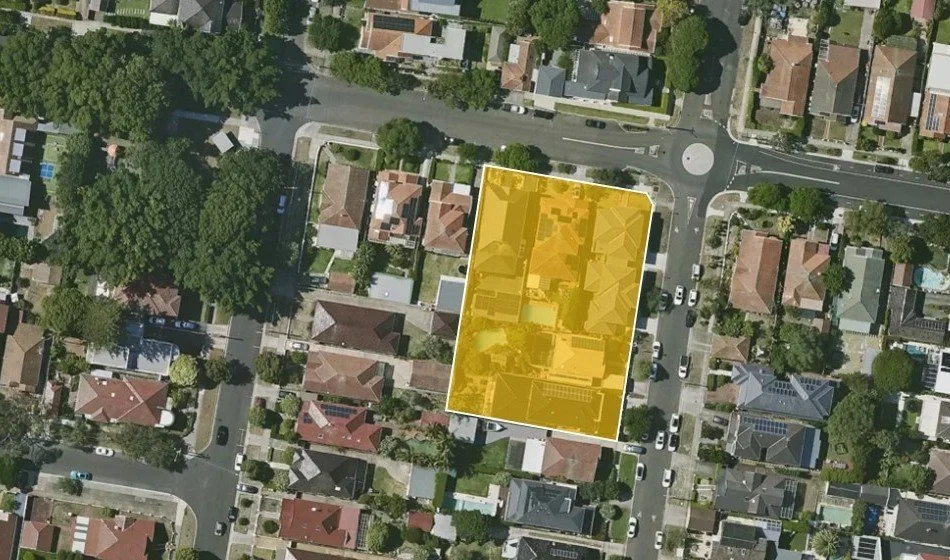
Adjoining owners may assume that a larger amalgamated site is always better. That is only true in some cases. An individual owner should want the site to be large enough to attract serious developer interest, but that needs to be balanced against the number of decision-makers in the owner group and whether adding more properties materially improves the value of the original owner’s property.
Individual lots within an amalgamation often contribute to value at different levels. Frontage, access, corner position, site depth, lot shape and whether each property is required can all affect value, leverage and negotiation strategy.
-
Not-for-profit landowner
A church, charity, club or other not-for-profit landowner may need to consider more than price. Governance, reputation, new premises, continuity of use, long term income, planning risk, timing and transaction structure can all affect the right strategy.
A careful process can help the organisation make a commercially informed and defensible decision before engaging developers or the market.

What Initial Strategic Advice can help you decide
Initial Strategic Advice can help an owner decide:
Whether LMR, TOD or other planning controls are relevant.
Whether the property appears to have additional development potential.
Whether the site is likely to interest developers.
Whether neighbours should be approached.
Whether a sale, hold, DA, other planning pathway or structured transaction should be considered.
Whether a developer approach should be accepted, rejected, tested or negotiated.
Whether a more detailed advisory or transaction process is justified.
The advice is intended to clarify the owner’s position and help determine the right strategy before major decisions are made.
FAQs
-
That depends on the location, zoning, applicable controls and any exclusions or local variations. A property may be near a station or centre but still require careful review before any conclusion is reached.
-
Possibly, but not automatically. Increased planning potential may improve value only if it can be converted into a feasible and marketable development outcome.
-
That depends on the site, market conditions, owner objectives, developer demand and whether value could be improved by further work or coordination with neighbouring owners. There is no single answer that applies to all properties.
-
Sometimes, but not always immediately. If neighbouring land is needed to create a better development site, coordination may be valuable. However, owners should first understand their own position and the likely contribution their property makes to the assembled site.
-
You should be careful about responding before understanding the commercial position. A developer approach may indicate that the property has strategic value. The first offer is unlikely to be the best measure of that value.
-
An agent may be appropriate where the strategy is clear and the task is to sell the property. However, where the issue involves development potential, feasibility, site assembly, planning risk, developer negotiation or transaction structure, commercial advisory input may be required before an agency process is commenced.
-
No. Initial Strategic Advice is not a formal valuation.
A valuation is usually based on past sales evidence. Initial Strategic Advice is forward looking. It considers development and planning potential, value drivers, developer feasibility, likely market behaviour and strategies to improve or protect the landowner’s position.
-
Never. Augusta Advisors acts for landowners.
Speak with Augusta Advisors
If your Sydney property may be affected by LMR, TOD or other planning changes, it is sensible to obtain independent advice early, including when you first believe the property may be within an affected area, and before responding to developers, appointing agents, committing to neighbours or making a major decision.
Augusta Advisors can provide Initial Strategic Advice to help you understand the property’s development potential, commercial position, strategy and available options.
Resources
-

It’s About Money: How NSW’s Low and Mid-Rise Housing Reforms
-

Securing the Best Developer Offers in Kellyville and Bella Vista’s TOD Precinct
-
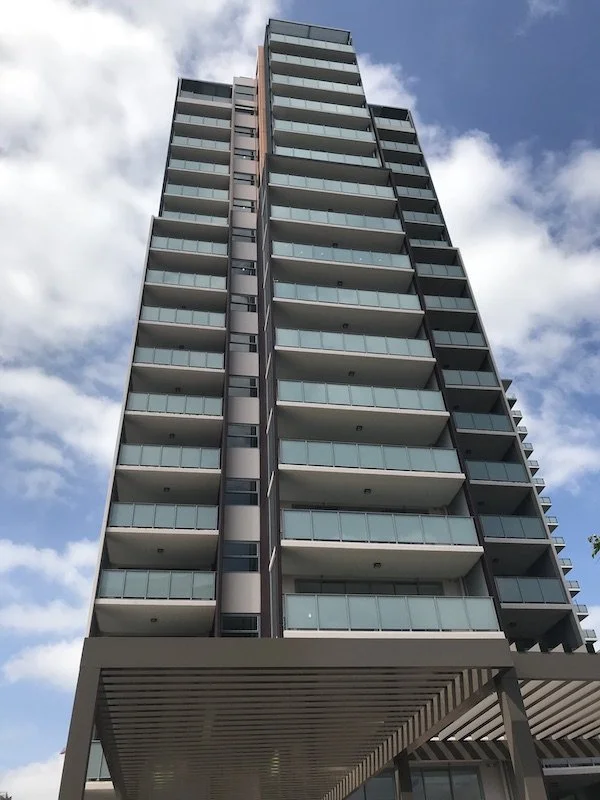
Hornsby TOD Precinct - Unlocking Potential for Property Owners
What our clients say