
What property owners in Double Bay, Edgecliff and Woollahra should understand before dealing with developers
Proposed planning changes in Edgecliff and Woollahra, together with other recent planning reforms affecting parts of Sydney's Eastern Suburbs, are creating new development opportunities for property owners.
For some properties, the amount and type of development that may be possible could change substantially. But increased development potential does not automatically mean the property owner captures the financial benefit.
The important question is what the new development opportunity means financially and how much of that benefit ultimately goes to the property owner rather than a developer.
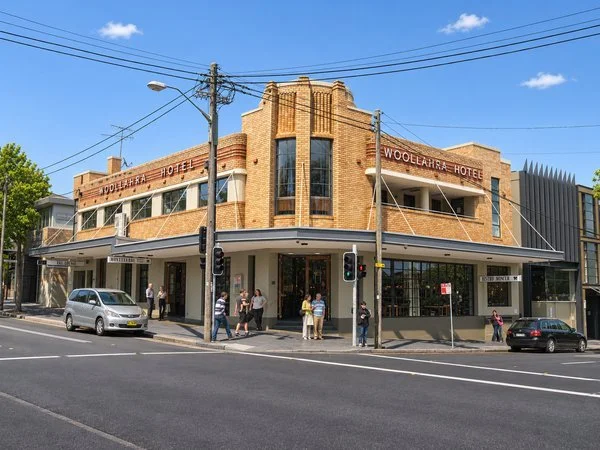
Planning changes are creating new development opportunities
The Low and Mid-Rise Housing Policy has increased the development potential of large parts of Double Bay, Edgecliff and Woollahra. Further changes are being considered through the draft Edgecliff-Woollahra Precinct State-led Rezoning Proposal and Woollahra Council's Edgecliff Commercial Centre Planning Proposal, which is currently under assessment by the Department of Planning, Housing and Infrastructure.
Changes to zoning, building height and floor space can substantially change what can be developed on a property and, importantly, what that opportunity means financially for the owner.
A property traditionally bought and sold as a house, apartment building or commercial property may become attractive to developers because of its future development potential. This creates a different basis for understanding the property's financial potential.
Understand why your property matters to developers
Before discussing price with a developer, understand why they are interested in your property.
It might be the amount of development that can be achieved. But your property might also provide additional frontage, access, a better site configuration or the missing piece needed to combine several properties into a viable development site.
A relatively small property can therefore have an importance to a developer that is not obvious from its land area or existing use.
Understanding that importance before negotiating can materially affect the owner's position.
Don't assume waiting for new planning controls is necessarily better
Owners may assume they should wait until proposed planning changes are finalised before considering a sale. That isn't necessarily the strongest commercial strategy.
Developers regularly assess opportunities before planning controls are finalised, allowing for the risk and time involved. Testing developer interest early may allow an owner to understand what developers are prepared to pay without committing to sell.
Waiting can also have a downside. Once increased development potential is confirmed, more properties are likely to become available as development opportunities and compete for developer interest and capital. The right timing should therefore be considered strategically and tested rather than assumed.
Understand whether neighbours improve your individual outcome
Combining properties can create a substantially better development site. A larger site might accommodate more floor space, provide better access or allow a more efficient development. But a more valuable combined site does not automatically mean every owner receives a better financial result.
The key test for a property owner is whether including an adjoining property creates enough additional commercial benefit to improve their individual outcome. Owners should understand this before agreeing to sell collectively or deciding how the proceeds of a combined sale should be divided.

Work out what the development economics mean financially for you
Developers generally work backwards from the gross projected sales revenue of the completed project. They consider what can realistically be built, what the completed project could sell for and then allow for construction, finance, professional fees, statutory costs, risk and their required profit. What remains determines the land price the development can support.
Understanding those calculations before dealing with developers gives the property owner a much stronger basis for assessing an offer and negotiating price.
It also helps address the information and expertise imbalance that commonly exists between experienced developers and individual property owners. Developers assess sites and negotiate acquisitions regularly, whereas many owners will negotiate the sale of a development site only once. This imbalance is a recurring issue Augusta sees in its work and one we regularly help property owners overcome.
Use competition to test what developers will actually pay
A feasibility assessment can indicate what a development opportunity should financially support but individual developers will often assess the same property differently. They can have different construction costs, finance arrangements, design solutions, sales expectations, appetite for risk or strategic reasons for wanting a particular site.
Unless there is a particular reason to do otherwise, our advice is that owners should deal with developers in competition rather than negotiate solely with the developer who approached them first.
Feasibility provides an understanding of the opportunity. Competition tests what developers will actually pay.
Structure the transaction so you don't give away planning upside
Price is only one part of a development site transaction. Where planning controls are changing the terms of the sale can also determine who receives the benefit if greater development potential is ultimately achieved.
Owners should therefore understand not only the headline price but also the conditions, timing, planning risk, payment arrangements and how any future planning upside is dealt with. The objective is to avoid unnecessarily transferring an opportunity to a developer before understanding its financial significance.
Augusta Advisors provides confidential development and commercial advice exclusively to property owners, including owners considering development opportunities in Sydney's Eastern Suburbs.
Before dealing with a developer, understand why they want your property, what they can do with it and what that opportunity should mean financially for you.
Frequently Asked Questions
-
Potentially. The value of development potential to the property owner depends on the planning controls applying to the property as well as its size, location, configuration, access and relationship with neighbouring properties. This is not simply about whether more can be built, but what that development opportunity means financially.
-
Not necessarily. Developers can assess and price future development opportunities before planning controls are finalised, allowing for planning risk and timing. Testing the market can provide useful information without requiring an owner to sell.
-
Possibly, but it should be tested rather than assumed. The relevant question is whether combining properties creates enough additional development or commercial benefit to improve your individual financial outcome, not simply whether it creates a larger development site.
-
Some people will structure their negotiation strategy based on information from the developer and the developer’s assessment of the opportunity. Before discussing or agreeing price, exclusivity or an option, understand what could realistically be developed, why your property is important to the developer and what the opportunity should mean financially for you.
-
Start with the development that could realistically be delivered and the revenue it could generate. Allow for construction, finance, professional fees, statutory costs, risk and developer profit to understand the land price the project can support. Then use competition to test what individual developers are actually prepared to pay.
-
Unless there are particular circumstances requiring a different approach, dealing with developers in competition usually gives owners a stronger basis for pushing price and commercial terms in their favour. Different developers may assess the same opportunity differently or have particular reasons for wanting the property.